
Calm, confident parenting starts with the right book in your hands. This year’s shortlist brings you usable, stage-specific guidance that blends empathy with real‑world action. You’ll see how to talk to your kids during meltdowns, why brain science matters for every age, and where to find the exact words you can use in the heat of the moment. In this guide, you’ll explore eight highly regarded titles, with clear distinctions on format, audience, and what makes each one useful in a busy family life. We’ll pull in a few authority perspectives so you know what the science says, and we’ll show you how to apply the ideas in everyday moments. If you’re looking for a ready‑to‑use script library for tantrums, transitions, and big feelings, you’ll stacks up next to classic theory. Ready to start calmer days with your kids? Let’s start.
Ready to explore these tools? The Parenting Method offers a complete script library for parents. It’s not a pitch, it’s a usable option if you want ready‑to‑say language for tough moments. This article centers on the best gentle parenting books and how they translate into real-life steps for your family in 2026.
1. No-Drama Discipline , Proven Strategies for Calm Parenting
No-Drama Discipline, by Daniel J. Siegel and Tina Payne Bryson, sits at the intersection of brain science and daily parenting. It’s not about a new technique so much as a framework that helps you stay calm while guiding your child toward better choices. The core idea is simple: when a child’s brain calms, they can learn. You, in turn, model how to handle big feelings without escalation. The book offers specific phrases and scripts you can use in the moment, short, precise lines that acknowledge feelings and set limits without shame. In a world full of quick fixes, this approach favors emotional safety over punishment, and it shows up in real family moments: a tricky shopping trip, a late snack request, or a bedtime meltdown. The book emphasizes co-regulation. You stay present. Your child mirrors that steadiness. You’ll notice the power of naming feelings, offering a brief explanation of the rule, and then following through with a predictable consequence. This is a usable shift toward an evidence‑based approach rather than relying on fear or blame. You’ll also find guidance on common pitfalls, such as over‑explaining or turning a discussion into a lecture. The goal is to keep the conversation short, clear, and connected. Three actionable takeaways to apply today: -Rule of calm first: when a meltdown hits, lower your voice, describe what you see, and name the feeling before proposing a solution. This slows the emotional flood and gives your child a map to recover. -Two‑sentence limit: state the boundary in two sentences, then step back. If needed, offer a brief, specific consequence and then give space for them to respond. -Repair matters: after a conflict, acknowledge what went wrong and re‑establish safety. A quick apology (“I raised my voice, I’m sorry”) models accountability and trust. Blockquote>“The best time to start building calm habits is now.”
For more on how the brain handles self-regulation, from the Harvard Center on the Developing Child on the Yes, Yes Brain concept.
Yes, this is one of the most widely cited “gentle parenting books” in contemporary parenting literature, and it continues to influence how families approach conflicts.
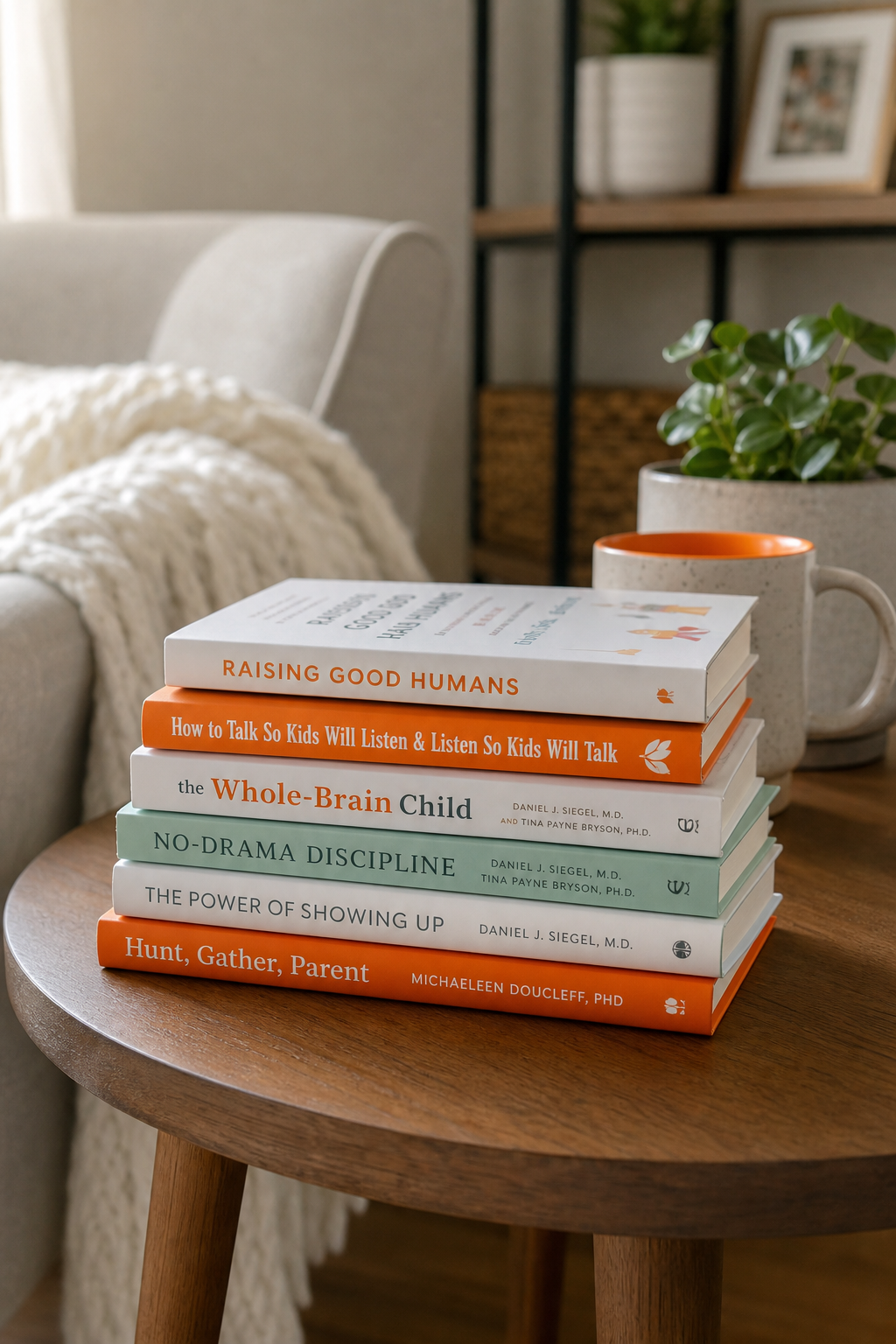
2. The Whole-Brain Child , Brain‑Based Gentle Parenting
The Whole-Brain Child by Daniel J. Siegel and Tina Payne Bryson goes deeper into the why behind the how. It explains two key brain areas, upstairs (smart, integrative thinking) and downstairs (instinctual, reactive drives), and shows how to help kids move from a reactive mood to a thoughtful one. The authors translate neuroscience into usable language and activities. You’ll find simple, memorable strategies to help kids handle big emotions, solve problems, and stay connected. The book is especially helpful when you want to avoid a power struggle and instead teach your child to regulate themselves in real time. One of the book’s signature ideas is “name it to tame it.” When you name the emotion, you help your child move from the downstairs brain to the upstairs brain. You’ll also see lots of bite‑sized, kid‑friendly techniques, like using storytelling, visual anchors, and role‑play, to build a flexible, resilient mind. This approach aligns with brain‑based evidence that suggests early regulation skills set the stage for healthier behavior later in childhood and beyond. It’s not just about stopping a meltdown; it’s about shaping a child’s internal compass so they can think through problems rather than act out. Three usable steps you can take now: -Emotion labeling in the moment: point to a visible cue (a tense jaw, clenched fists) and name it quickly, then offer a short breathing exercise to reset. -Use stories to teach: create a quick mini‑drama with the child as the protagonist to rehearse coping strategies in a non‑threatening way. -Breathing and rhythm: teach a 4‑count inhale and 4‑count exhale as a built‑in “pause” before responding to a conflict. A simple takeaway is that you don’t need a fancy ritual to implement these ideas. Small, repeatable moments build brain‑based habits that carry into school and later life. The approach has become a cornerstone in many gentle parenting playbooks for ages 2, 12, and it translates well to sibling dynamics and school transitions.
As a quick reference, this work is frequently cited in educational psychology and is a good companion to the Stanford/Harvard evidence on early brain development. See Yes‑Yes Brain for a dee.

3. Peaceful Parent, Happy Kids , Mindful Connection Techniques
Peaceful Parent, Happy Kids by Dr. Laura Markham centers on connection as the bedrock of gentle parenting. The core idea is simple: when kids feel securely attached, they are more cooperative and less likely to act out. The book offers mindful strategies that help you show up with warmth, not anger. Connection rituals, consistent routines, and child‑led problem solving are emphasized. You’ll learn to build a toolkit of phrases that validate feelings, set limits, and shift power dynamics away from control toward collaboration. The approach is especially powerful in households where stress runs high and automatic reactions spike during everyday moments, bedtime, mealtime, and transitions. The author stresses the importance of self‑care for parents as a prerequisite to giving kids secure, steady love. The text blends usable scripts with gentle psychology, helping you understand why your child behaves as they do and how your response shapes their next move. It’s less about prescribing a single method and more about cultivating a calm, connected home where kids feel seen, heard, and guided. Practitioners often find the book a useful companion to brain‑based strategies, because alignment between heart and brain is what makes the approach work long term. Key usable tips you can deploy this week: -Connection first, consequence second: begin with a genuine pause, give your child a chance to respond, then state the boundary clearly. -Validating statements: reflect back feelings with phrases like, “I can see you’re upset; it’s hard to wait.” -Family ritual time: add a 10‑minute nightly check‑in where each member shares one thing they appreciated about the day. To stay usable, you’ll find ready‑to‑use language in this book that supports calmer transitions and better listening. You can pair it with the digital script library from The Parenting Method for even more bite‑sized phrases in the heat of the moment.
For a broader view of gentle parenting concepts, you can explore Gentle parenting on Wikipedia to see how mainstream descriptions line up with usable advice.
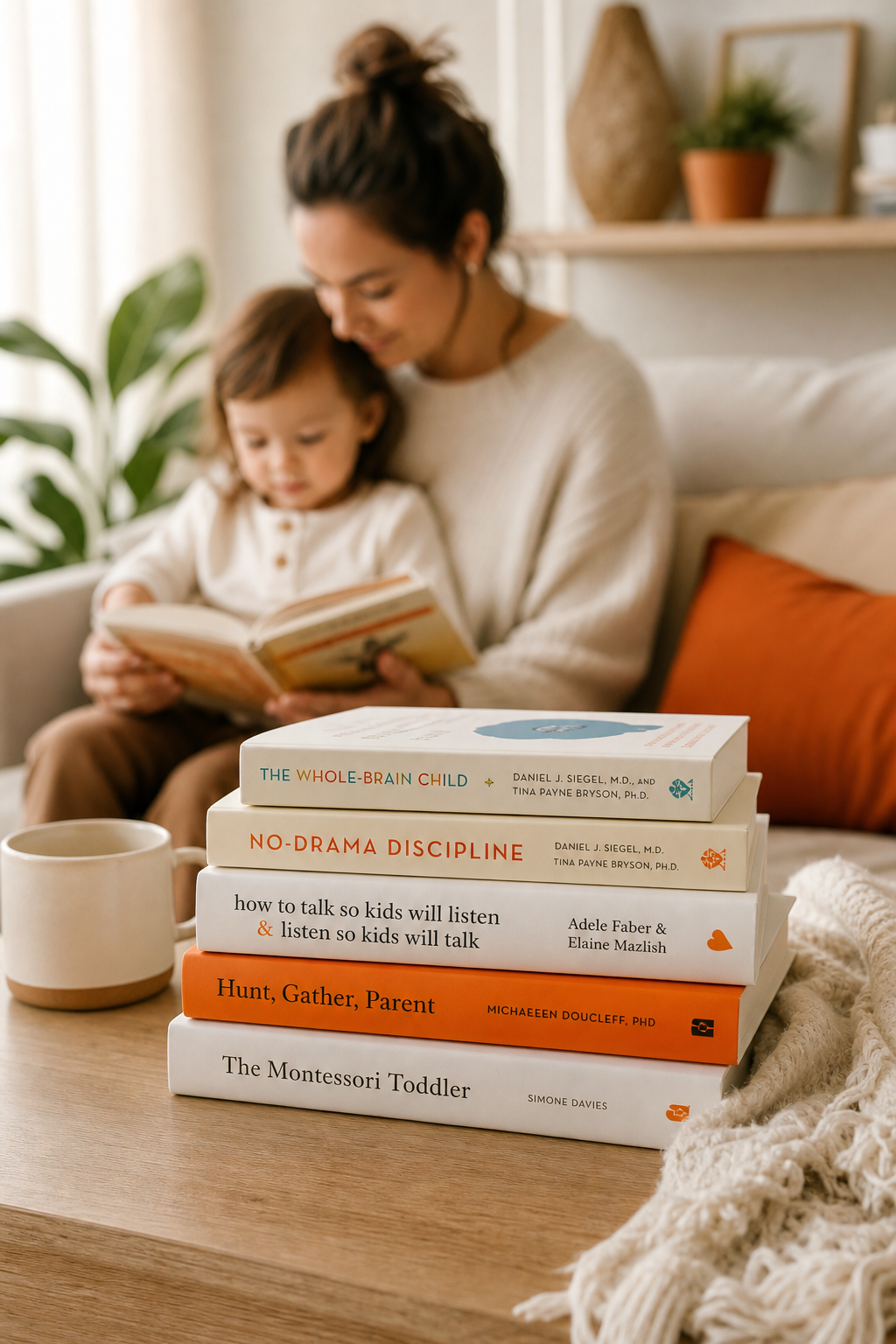
4. Siblings Without Rivalry , Managing Multiple Ages
Siblings Without Rivalry, by Adele Faber and Elaine Mazlish, has long been a staple for families handling multiple children. The core ideas here center on respectful communication, collaborative problem solving, and usable rules that apply across ages. The book’s toolkit includes turn‑taking systems, fair contest rules, and language that reduces the “us vs. them” dynamic. It’s a mother‑and‑father friendly guide that helps you frame conflicts as opportunities for kids to learn to negotiate, share, and cooperate. The authors emphasize listening and validating each child’s perspective, then guiding them toward a shared solution that they own. You’ll find step‑by‑step scripts for common scenes, who gets the first turn, how to share a device, how to handle sibling quarrels during chores. Real‑world context matters here. Families often juggle school pickups, meal prep, and TV time, all while managing competing needs. The strategies in this book translate into everyday practice: “When this happens, you can do that” becomes a shared rule that both siblings understand and can enforce with your help. It’s not about ever‑present equality; it’s about fairness and presence, being with each child in meaningful, age‑appropriate ways. The result is a calmer home where kids feel seen and heard, and parents aren’t constantly mediating or choosing sides. Five actionable steps to trial: -Establish a shared family map: map out routines that work across ages; create a simple visual for everyone to follow. -Use collaborative problem solving: ask each child for at least one idea to solve a problem before offering adult decisions. -Rotate attention: ensure each child gets a dedicated 10, 15 minute one‑on‑one interaction weekly. -Fair rules, flexible parenting: keep a consistent framework but allow age‑appropriate adaptations. -Empathize before directing: validate each child’s feelings before guiding them toward a solution. The result can be a noticeable drop in recurring conflicts and a rise in cooperation. It also helps you model the idea that family life is a shared journey, not a series of power struggles.

5. Gentle Parenting for Teens , Handling Adolescence
Gentle parenting for teens is a different game. The stakes rise as kids seek autonomy and identity. The core principle is to keep lines of communication open while still setting boundaries. Teens benefit from being treated as capable people who deserve respect and a voice in decisions that affect them. The best books in this space help parents shift from control to collaboration, using listening skills, reflective questions, and predictable routines to reduce chaos and conflict. When parents model calm behavior and thoughtful responses, teens learn to regulate their own emotions and make wiser choices, without feeling shamed or dismissed. This approach does not mean abandoning structure. It means aligning rules with the teen’s need for autonomy and fairness. You’ll see guidance on topics like curfews, homework, screen time, and social life, emphasizing dialogue and mutual accountability. The outcomes you’ll aim for include better family trust, reduced blowups, and a clearer path for teens to learn accountability. A key practice is “presence without prying”, being nearby, listening when invited, and offering advice only when asked. Teens respond best when they feel supported, not policed, and that support should feel consistent and fair. Usable steps for the teen years: -Hold space for dialogue: create weekly “check‑ins” where teens can talk about stress, goals, and boundaries without judgment. -Use yes‑and statements: validate feelings before setting expectations (Yes, you’re tired; and here’s how we handle school tonight). -Co‑design routines: invite them to help craft curfews, homework times, and screen rules; this boosts buy‑in. This section acknowledges that teen parenting can feel different from toddler years but still fits the same core: connection, clear expectations, and respectful collaboration. For parents who want a usable, supportive path, pairing these ideas with the instant scripts from The Parenting Method can give you quick, polite language for tough moments.
6. Comparison of Featured Gentle Parenting Books
Here's a quick, knit‑tight view of how these books stack up on the most useful traits for busy families. The Tantrum Play Book (client product) stands out for its exact, science‑backed phrases and its PDF format, which makes it easy to keep by your side during real tantrums. The Whole‑Brain Child, Peaceful Parent, Siblings Without Rivalry, and the teen‑focused title cover a broad set of skills, from daily routines to long‑term attachment, each with distinct strengths. The plan here is to give you a clear view of format, audience, and actionability, so you can choose with confidence. The client resource is designed to be a usable complement to the broader, more theory‑driven books, giving parents immediate language to use in moments that threaten to throw the day off course. The table below highlights key features, format, and target ages. Data points like price and age ranges are not presented here because publishers vary and some data is not consistently reported across sources. Use this matrix to set expectations and then verify details directly with the publisher when you decide to buy.
Internal note: The Parenting Method product can augment these reads with usable dialogue scripts you can print and carry to the car or store as you implement daily routines. This is especially useful when you want to translate the high‑level ideas into actions and phrases you can say in the moment.
7. What to Look For When Choosing a Gentle Parenting Book
Choosing a gentle parenting book is not just about the theory. It’s about finding a toolkit that fits your family’s values, your child’s temperament, and your daily rhythm. Look for clarity in language, usable phrases you can actually use, and a clear through‑line from theory to everyday moments. Age specificity helps a lot. If you have a newborn, you’ll want a guide that helps you read cues, establish soothing routines, and protect the early bond. If you’re parenting a teen, you’ll want a resource that respects autonomy and frames boundaries as mutual guidelines rather than top‑down rules. A good book also notes its boundaries and limits: what it covers well, and where it may be less helpful for certain personalities or cultural contexts. Format matters, too. Some parents want bite‑sized scripts in PDF form, others want an audiobook you can listen to during commutes, and still others want a quick, visual guide for quick reference. Consider whether you’ll use the material daily, weekly, or during specific moments like bedtime or meals. Cultural framing matters as well. Some families will relate to Danish or French parenting models, while others will want a universal approach that emphasizes attachment, limits, and independence at a pace that works for their child. Finally, check for transparency about authorship and format. The best titles make it easy to tell what you’ll get and how you’ll use it today, not just what the book promises in theory. When evaluating options, ask yourself these questions: - Do I see usable scripts or phrases I can say in the heat of a moment? - Is the age range clearly stated? Will it fit my child’s current stage? - Does the author provide evidence or references that support the approach? As you weigh options, you’ll likely mix ideas from several titles. The goal is to collect a toolbox you can reach for when needed, not to memorize every page. For a specific, quick‑start option that complements these reads, consider The Parenting Method’s digital script library, which can help you implement the tips you choose from any book.
FAQ
Q1: What is the best gentle parenting book for a newborn?
The best gentle parenting book for a newborn focuses on bonding, soothing, and recognizing early cues. Look for sections on calming routines, responsive feeds, and the early use of language to label feelings. Practically, you’ll want guidance that helps you establish a secure attachment from day one, with simple phrases you can use during soothing and cuddling. A newborn‑focused guide should translate science into steps you can use in the first weeks and months, so you don’t have to reinvent the wheel during late‑night feeds and early wakeups.
Q2: How do I apply brain science to everyday parenting?
Brain science becomes useful when it guides your responses, not just your theories. Start by recognizing two states: the upstairs brain (planning and empathy) and the downstairs brain (flight, fight, or freeze). In heated moments, use short phrases that help shift your child to the upstairs brain. Simple naming of feelings, brief explanations of boundaries, and a predictable routine are the usable anchors you’ll need. Pair this with a few ready‑to‑say lines that you can practice in calm moments so you’re ready when a meltdown hits.
Q3: Are there teen‑specific gentle parenting books?
Yes. Teens respond best to autonomy within boundaries and a strong parent‑teen relationship built on trust. Look for titles that emphasize open dialogue, collaborative problem solving, and consistent expectations. The books often cover curfews, screen time, and decision making, with scripts that help you stay calm while asserting boundaries. Teens want to be seen, heard, and treated like capable people; the best teen‑focused guides give you the language to support that framing in real life.
Q4: How important is format (PDF, audio, print) when choosing a book?
Format matters because it affects how easily you’ll use the material. A PDF or print book is handy for quick reference during a meltdown. An audio format helps on the move or during chores. A blend of formats allows you to access the concepts in different contexts. Choose a book that offers formats you’ll actually use, not just one that sounds good on a shelf. If you need mobile, trusted formats, pairing a book with a script library can be especially useful for day‑to‑day practice.
Q5: Is there scientific support for gentle parenting?
Yes, many gentle parenting approaches rest on child development research about attachment, emotion regulation, and social learning. While not every claim is identical across all titles, the core ideas, empathy, connection, and appropriate boundaries, are grounded in developmental science. When evaluating a book, look for references to research on co‑regulation, parent‑child attachment, and the impact of supportive environments on learning. A credible book clearly ties its guidance to established findings rather than making bold, unbacked claims.
Q6: How can I start using these books without taking on too much at once?
Pick one usable technique per week and practice it in real moments, like mealtime or bedtime. For newborns, start with bonding routines and cue recognition. For toddlers, try naming emotions and offering a calm down space. For teens, begin with a 15‑minute check‑in and a collaborative decision on a boundary that matters. The goal isn’t to implement every idea at once but to weave small, repeatable actions into your family’s rhythm. You’ll see cumulative benefits over time.
Q7: How do I choose the right book for my family’s culture?
Culture shapes parenting styles more than any single book. Look for books that acknowledge different cultural patterns and offer adaptable strategies rather than a one‑size‑fits‑all approach. If your family leans toward a Nordic, French, or other cultural ethos, seek titles that discuss those patterns and offer a balanced view of autonomy, empathy, and social expectations. The best picks provide usable guidance while staying respectful of family values and traditions.
Q8: How do I know if a book is worth buying?
Check for clarity of purpose, specific language you can use in real moments, and real‑world examples that resemble your daily life. Look for author qualifications and whether the book presents evidence or references to research. If you can, skim a few pages to see whether the tone matches your needs, some families prefer straightforward scripts, others want deeper theory. A credible title will offer a clear path from insight to action and provide easy access to implementable tools, not just concepts.
Conclusion
Across newborns, toddlers, and teens, these books offer a spectrum of approaches that emphasize one core idea: connection precedes correction. No matter where you are on the parenting journey, you’ll find usable moves you can try today. The Tantrum Play Book stands out in the research context for its actionable language and PDF format, making it a strong companion to the broader, brain‑based and relationship‑driven titles. The other books provide deep dives into how kids’ minds work, how to guide them with empathy, and how to reduce friction in daily life. The best path is to use a mix of these resources, start with a baseline strategy like calm dialogue, then layer in the brain‑based perspectives and teen‑focused scripts as your child grows. If you’re unsure where to begin, The Parenting Method offers a ready‑to‑use script library that complements these reads by giving you the exact words you can use in moments of stress. This approach helps you stay present, consistent, and connected, so the family climate shifts from reaction to relationship. In 2026, the trend toward tangible, implementable guidance remains strong, and parents who pair theory with real‑world scripts tend to see faster, more lasting changes in behavior and mood. Take the first small step today, and watch how small, calm choices become lasting family habits.
Ready to take the next step? Start with one book that matches your child’s stage, then mix in the usable tools from The Tantrum Play Book for in‑the‑moment language. The goal is less drama and more understanding, one day at a time.