
Calm down corners give kids a safe place to pause, reset, and regain focus. They’re simple to set up, easy to use, and scale from home to classroom. In 2026, many families and schools rely on these spaces to help kids practice self‑regulation in real-time, not just after a meltdown. This article shares 12 named calm down corner ideas, each with usable steps, budgets, layout tips, and flexible adaptations. You’ll learn what to put in each setup, how to use them day to day, and how to adapt for different ages and needs. Along the way you’ll see research‑backed pointers about how kids regulate emotions, with quick references to trusted sources. You’ll also find a mid‑article callout to help you compare options and start testing. Let’s make space for calm, one corner at a time.
Table of contents. These short, usable sections lay out ready‑to‑use corner ideas. Jump to the setup you like, then adapt to your space and budget. Each idea includes essential supplies, layout tips, and real‑world tweaks that educators and parents use every day.
- 1. Nature‑Themed Calm Down Corner , Bringing the Outdoors Inside
- 2. Sensory‑Heavy Calm Down Corner , Perfect for Tactile Learners
- 3. Minimalist Calm Down Corner , Simple & Serene
- 4. Cozy Reading Nook Calm Down Corner , Book Lovers’ Retreat
- 5. Weighted‑Blanket Calm Down Corner , Deep Pressure Support
- 6. Quiet‑Music Calm Down Corner , Soothing Sounds
- 7. Color‑Calming Calm Down Corner , Soft Blues & Greens
- 8. Portable Calm Box , On‑the‑Go Stress Relief
- 9. Tech‑Integrated Calm Down Corner , Apps & Screens
- 10. DIY Budget Calm Down Corner , Upcycled Materials
- 11. Aroma‑Therapy Calm Down Corner , Gentle Scents
- 12. Textured‑Mat Calm Down Corner , Customizable Surfaces
1. Nature‑Themed Calm Down Corner , Bringing the Outdoors Inside
Nature themes tap into a primal sense of safety. A calm down corner that feels like a tiny safe nook in a forest saves mental energy. Start with a quiet corner away from doors and high-traffic zones. A soft rug or mat marks the space. Add a low seat, a bean bag or foam chair, and a couple of plush animals or cushions that invite weary bodies to sink in. Natural textures matter: cotton, wool, jute, and wood accents create tactile comfort without overstimulating the senses.
Layout matters. Place a low shelf at child height with a few nature‑themed items: a small potted plant or two (real or faux), a tiny treasure basket of smooth stones, pine cones, or driftwood, and a nature poster with simple emotions icons. A visual cue card that says simple steps, breathe, pause, name your feeling, is a little anchor you can reuse. The space should feel calm but not clinical.
Usable tips you can use today: keep the corner clean and simple; avoid bright neon colors. Use soft blues, greens, and beiges to dampen arousal. Rotate 1, 2 items monthly to maintain interest without increasing clutter. If space is tight, hang a fabric panel to delineate the corner instead of a full wall setup. For parents, this design translates well to a home nook, soft lighting, a small house plant, a few cushions, and a shelf with picture books about feelings.
"A calm corner is a small space that makes big changes in a kid's day."
Research note: for evidence on how emotion regulation works in kids, see reputable sources on emotion regulation in children. Emotion regulation is a broad framework that helps explain why a cozy, low‑stimulus space can help kids pause and reset.
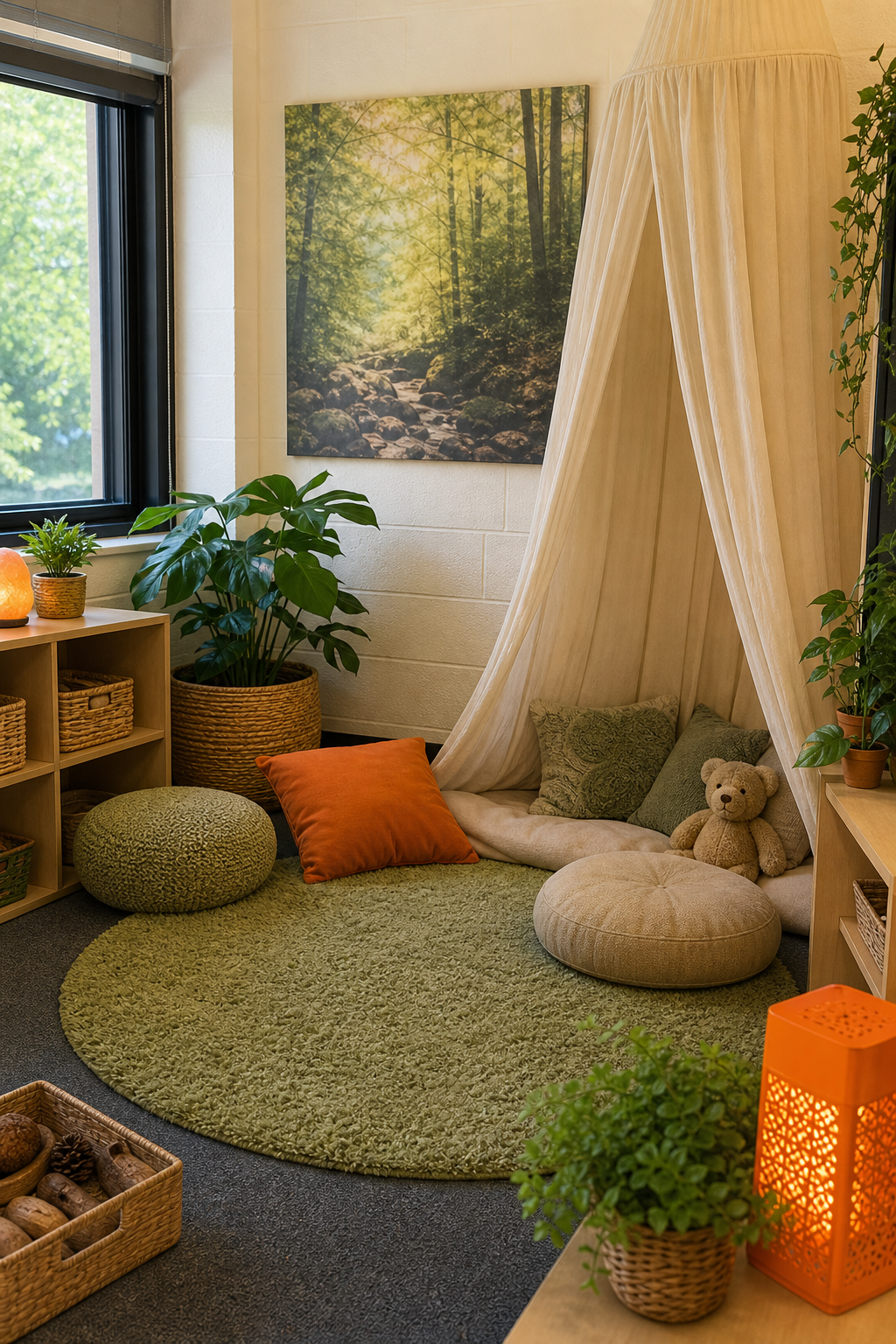
If you want a quick model to copy, search for a small woodland desk area with a rug, a bean bag, a few soft cushions, and a plant. The goal is a warm, inviting space your child wants to use, not a forced corner that feels punitive.
2. Sensory‑Heavy Calm Down Corner , Perfect for Tactile Learners
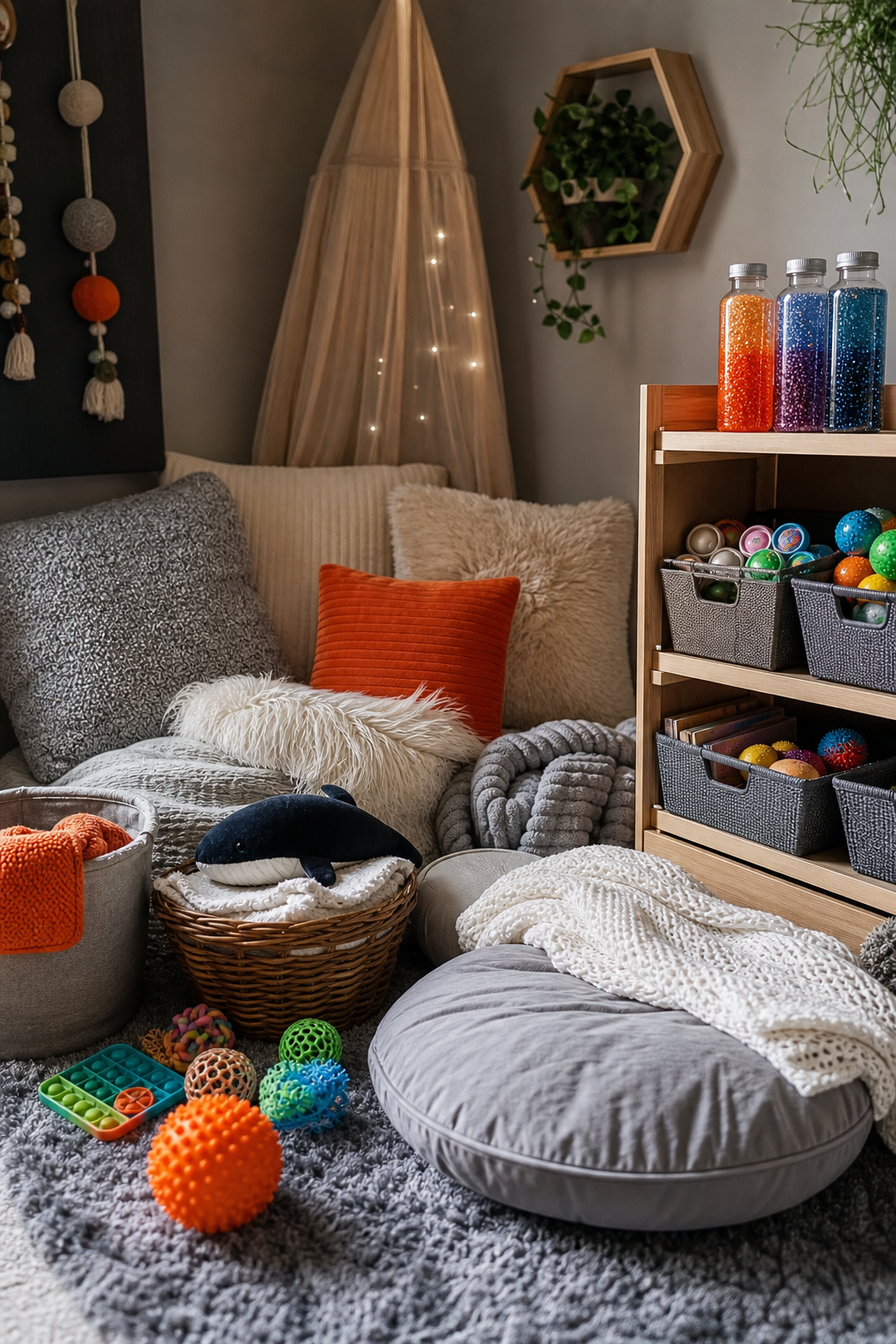
Tactile learners need touch. A sensory‑heavy corner gives hands something to do while the brain cools down. Start with a bean bag or soft rug, then add a small sensory station: textured fabrics (fleece, corduroy, velvet), a set of tactile toys (squishy balls, kinetic sand, putty), and a few scentless items to avoid sensory overload. A narrow shelf at child height makes it easy to see options without stacking too many stimuli at once.
Keep the station modular. Use bins labeled with simple visuals so kids can pick what to use. A tactile wall panel or a fabric wall hanging adds a focused, quiet texture. If you want to lean into the science, a Feelings Wheel card helps kids name what they feel before they choose tools. A soft, dim light, and a calm soundtrack can complement the tactile experience without creating a distraction zone.
Real‑world implementation tips: start small. Introduce 2, 3 items, then add 1 new tool every few weeks as kids become comfortable with the space. Align the sensory tools with known triggers, if a child is upset by loud sounds, avoid loud noisemakers and favor soft textures. If a child is soothed by visual motion, add a slow‑moving sensory bottle or an ooze tube for visual calm.
"The right textures can ground a kid when feelings surge."
For a quick read, see research notes about sensory categories and calming spaces. And for usable shopping ideas, you can explore tactile toy sections from major suppliers, but always check safety and age appropriateness.
3. Minimalist Calm Down Corner , Simple & Serene
Less is more when calm matters most. A minimalist corner uses quiet colors, clean lines, and one or two high‑impact items. Start with a soft rug, a small floor cushion, and a single visual cue card with a breathing exercise. A single book about emotions and a simple sensory bottle can suffice. The goal is not to overwhelm the child with choices, but to give a clear path to calm down.
Layout cheats: use a wall shelf to keep the floor clear. Choose a single predominant color (soft blue or pale green) and keep accents to a minimum. Replace harsh fluorescents with a dimmable lamp or a warm LED strip behind a panel. For kids who crave calm, show how to use the space with a short demo that you model yourself. This reduces anxiety about learning a new routine.
Usable steps: pick a corner away from direct sunlight, add a 3‑item starter kit, test with your child for 2, 3 days, then adjust. If the child uses the space frequently, you can rotate in a small, soft blanket or a new picture book to reset focus. If you have a large class, a couple of minimalist corners can work, with a shared breathing card and a timer to standardize usage times.
4. Cozy Reading Nook Calm Down Corner , Book Lovers’ Retreat
A cozy reading nook pairs soft lighting with a few choice books about feelings and coping. A small tent or canopy, a bean bag, and a pile of age‑appropriate books create a retreat where kids can escape into a safe story, make meaning of their feelings, and slowly rejoin the group. Visuals like mood cards can sit nearby to prompt naming feelings before choosing a book. The rule? Use the nook for reading, reflecting, or quiet writing, not punishment.
Book choice matters. Pick titles that are age appropriate and emotionally honest. A simple “feelings board” helps kids point to how they feel as they read, and to identify a coping strategy that matches the emotion. If your space is small, a single bookshelf with a curtain can create a cozy den without taking up much room. For at‑home use, this translates into a comfy corner with a few favorite picture books and a soft rug.
Implementation steps: 1) gather 3, 5 calming picture books; 2) add a soft light or lamp; 3) place a small blanket and a few cushions; 4) include a breathing card; 5) keep a timer nearby. Model the routine. Show how you use a book to calm down after a tough moment. If a child resists, start with a micro‑session of 2 minutes and expand as needed.
Internal note: to keep this section grounded in real practice, think of this nook as a mini‑library that doubles as a reflective space, not a punishment zone.
We’ll circle back to how this works with the rest of your SEL plan later in the article. A well‑placed nook builds a bridge from emotion to learning.
5. Weighted‑Blanket Calm Down Corner , Deep Pressure Support
Weighted blankets give kids a sense of deep pressure that can help calm the nervous system. This corner centers on safe, supervised use of a weighted blanket, a chair or low seat, and a cozy rug. The idea is simple: a few minutes under a weighted blanket with guided breathing can reduce arousal and help a child come back to tasks with more self‑control. If you’re worried about heat or claustrophobia, choose a blanket with a breathable fabric and a loose fit. Introduce the weighted blanket with a brief explanation and a clear boundary about how long to stay under it.
Key components: a weighted blanket or lap blanket, a soft rug, a calm breathing cue, and a timer. A calm corner should feel like a soft pause, not a trap. You’ll also want a quick access to a fidget tool or a small sensory bottle so the child has a non‑blinking option if they want to wiggle their fingers while breathing. The goal is to help the body downshift and then rejoin the class with a plan for the next task.
Implementation tips: 1) set a 3, 5 minute window; 2) use a simple, kid‑friendly breathing exercise (for example, pretend you’re blowing bubbles); 3) add a couple of pillows for comfort; 4) check in with the child after the timer ends to help them return to the task with a plan. Bearaby’s guide on how weighted blankets fit into calm corners offers usable context about why this input works in real classrooms. Bearaby's calm corner guide explains how deep pressure can support self‑regulation.
6. Quiet‑Music Calm Down Corner , Soothing Sounds
Sound can be a quiet anchor for a child who feels overwhelmed. A small speaker or Bluetooth diffuser can fill the corner with soft, non‑distracting music, nature sounds, or inactivity sounds like a gentle wind or rain. The key is low volume and a tempo that does not override the child’s thinking process. Use a simple playlist that avoids sudden loud spikes. Visual elements such as a tiny poster with a music cue (breathing with tempo) can reinforce how to use the sounds to regulate emotion.
Usable steps: 1) pick a 5, 10 minute playlist; 2) provide a mute option for those who prefer silence; 3) keep the volume at a level that is barely audible from the doorway; 4) place the speaker away from the child so the sound is calming, not a personal broadcast. This setup works well in classrooms with limited space because the music unit can be tucked on a shelf near the corner. At home, a small speaker on a shelf can create a dedicated space that signals a break is available.
When used well, calming music supports attention, reduces stress, and helps kids shift from arousal to focus. You can pair music with a breathing activity, or let the child choose a track that matches their mood. Over time, the corner can become a go‑to space for quick resets rather than a long retreat.
7. Color‑Calming Calm Down Corner , Soft Blues & Greens
Colors shape mood. Soft blues and greens create a gentle backdrop that can reduce anxiety and help kids reset faster. For this corner, choose a small rug in a calming shade, a few cushions, and a tiny poster that explains a simple breath or grounding technique. Avoid loud patterns that may cause visual overload. A subtle wall border or a fabric panel can delineate the space without shouting for attention. If you want to go deeper, incorporate a color‑coded feelings wheel so kids can point to a feeling and pull a matching coping action.
Real‑world tweak: pair color calming with a tactile element, some kids respond better to a soft fabric touch than to a visual cue. A light, neutral scent might complement the color choice, but avoid strong fragrances if a child is scent sensitive. This corner can be a bridge between the rest of the classroom and a personal, quiet moment.
Implement with 3 core items: a blue/green rug, a single cushion, and a feelings card. If a child shows interest, you can add a second color accent (teal or seafoam) in a small pillow or curtain. The aim is a calm, inviting space that says, without words, that it’s time to pause and breathe.
8. Portable Calm Box , On‑the‑Go Stress Relief
A portable calm box travels with the child. It’s a small kit that fits in a tote or backpack and includes a few go‑to tools: a tiny bottle of bubbles, a hand‑sized fidget, a mini notebook, and a compact breathing card. The box should be simple enough for a child to carry to a quiet corner, a buddy seat, or a library space. The goal is to give kids a sense of control over their own regulation tools and to reduce the friction of asking for a break.
Usable steps: 1) assemble 6, 8 items that fit in a small box; 2) use a consistent color or label so kids know where to find tools; 3) include a 2, minute breathing script; 4) rehearse ways to use the box during a normal day so it’s not a big deal to reach for it when needed. A box travels well in home settings too; it can sit on a shelf and be pulled out for pause times after school or during homework sessions.
Real‑world note: keep the box simple and washable. If you’re buying items, pick inexpensive, durable pieces like a compact plush, a square of spandex, a small notebook, and a couple of colored pencils. The goal is to keep a calm, manageable set of tools that a child can use independently.
9. Tech‑Integrated Calm Down Corner , Apps & Screens
Some kids feel grounded by digital tools. If you allow screens in a calm corner, pick apps or videos that teach breathing, grounding, or mindfulness. Set strict time limits and a clear rule: screen time ends when the timer goes off, and then you switch to a non‑screen coping activity. A small tablet used with headphones can be a bridge for kids who respond well to visual cues and guided audio. Always balance tech with non‑tech options to avoid reliance on screens in all situations.
Usable setup tips: 1) choose a visible, fixed corner and place a charging station outside the space to minimize device clutter; 2) install a simple, kid‑friendly mindfulness app with guided audio; 3) pair tech with a tactile option for a quick switch if the screen overwhelms the senses. The goal is to create a blended space that fits kids who learn through both screens and touch.
Implementation reminder: model the behavior you want to see. If you show how you use a breathing app during a tense moment, kids learn to replicate it. If a child resists, switch to a tactile tool for a short moment and revisit tech later in the day.
10. DIY Budget Calm Down Corner , Upcycled Materials
DIY calm corners save money and teach kids resourcefulness. Use a small space with second‑hand rugs, blankets, cushions, and a few safe, tactile items. If you’re crafty, repurpose a cardboard den or a wraparound tent using inexpensive fabric. A few thrifted pillows and a hand‑made poster with coping steps can turn a corner into a warm, inviting space without breaking the bank. You can also create a mood‑check chart with simple drawings to help kids identify their feelings before they act.
Action steps: 1) collect safe, soft fabrics; 2) build a simple boundary with room dividers or a curtain; 3) add a single stuffed animal and a small sensory bottle; 4) label the space with a few coping prompts. DIY projects spark ownership and family involvement, which can increase engagement and consistency in use. Weave in a few short, guided activities like a 2‑minute breathing exercise that the child can perform on their own.
Budget note: you can achieve a cozy vibe with a modest investment. The emphasis should be on safety, ease of use, and a calm, predictable routine for the child. Don’t be afraid to repurpose items from around the house. A calm corner should be a space that feels safe and approachable to a child at any age.
11. Aroma‑Therapy Calm Down Corner , Gentle Scents
Aromas can help some kids settle. A diffuser with a mild scent, or a tiny rollerball with a fragrance safe for kids, can provide a steady sensory cue. Keep scents subtle and avoid overpowering blends. Lavender and chamomile are common choices for relaxation, but watch for sensitivities. If a child has allergies, skip fragrances altogether or use unscented options. Always supervise any scent use to ensure it’s safe for the child and the space.
Usable tips: use a compact diffuser in a corner with a timer so the scent runs for a few minutes, then stops. Pair the aroma with a calming activity, breathing, reading, or drawing. If scent triggers headaches or irritation, switch to a scent‑free option immediately. For educators, this approach can be a gentle addition to the set of tools that kids use to manage big feelings.
Note: consult trusted sources about essential oil safety for children. The plan here is to keep scents mild, optional, and safe rather than a primary coping method. This corner should work in concert with other strategies rather than stand alone.
12. Textured‑Mat Calm Down Corner , Customizable Surfaces
A textured mat corner offers a customizable surface for hands, feet, and body to explore. Equip it with a SensaSoft seat or a soft mat, a few touch‑friendly textures (silky, velvet, nubby), and a small mirror for playful facial expressions that help kids name their mood. The mats can be rearranged to create new patterns, or swapped with other textures to suit a child’s changing needs. This corner works for a wide age range, from early elementary to older kids who benefit from sensory input that helps them regulate.
Usable steps: 1) pick a single, durable textured mat; 2) add 2, 3 complementary textures in small bags; 3) place a small mirror and a feelings card nearby; 4) use a timer to structure use; 5) rotate textures every 4, 6 weeks to maintain interest. The goal is a flexible, tactile space that invites hands‑on exploration without overwhelming the senses.
FAQ
Q1: What is a calm down corner and why does it help?
A calm down corner is a dedicated space where a child can pause, breathe, and reset before returning to activities. It helps by reducing arousal, teaching self‑regulation, and offering a predictable routine during moments of stress. The goal isn’t punishment but practice. Children learn to recognize their triggers and use a coping strategy in a safe, familiar setting. This supports attention, learning, and social growth by creating a calm bridge from emotion to action.
Q2: How do I set up a calm down corner in a small space?
Start with a compact rug or mat, a small seat, and 1, 2 low‑friction tools. Use a simple breathing card and a timer. Keep color and clutter to a minimum. Use modular elements that you can swap or move as needed. If space is very tight, place a curtain or fabric panel to define the corner without taking up floor space. A minimalist setup often works best in tight classrooms or small apartments.
Q3: What should I include in a calm down corner for different ages?
Young kids benefit from soft textures, plush toys, and simple visuals. Older kids may like a timer, a feelings wheel, a small notebook for journaling, and a muted sound source. Always tailor tone to comfort level, never push a child beyond what they can handle. Introduce items gradually and adjust based on how the child responds in real life.
Q4: How long should a child stay in the corner?
Begin with short windows: 2, 5 minutes for early learners, gradually extending if the child requests longer time. Use a timer and a simple restart cue: when the timer bells, the child can choose to return to the activity or extend the break for an additional short period. The twist is to allow flexibility while maintaining a predictable routine.
Q5: How can I model calm down behavior as a parent or teacher?
Model the behavior you want. Use a calm voice, label your own feelings, and show how you choose a coping tool. Narrate what you do: "I feel a bit overwhelmed, so I’m going to take a few breaths and read a quick book." Kids imitate these steps, reinforcing self‑regulation as a normal habit.
Q6: Are there safety concerns with calm down corners?
Yes. Ensure all items are age‑appropriate, non‑toxic, and free of choking hazards. Use soft lighting to avoid glare. Check that any weighted items are within safe limits and never used unsupervised by younger children. Establish rules about not blocking exits and keeping the space tidy. Safety is as important as the calm itself.
Q7: How can I measure impact?
Track usage, mood shifts, and the time it takes for students to return to tasks. Note if behavior incidents decline after the corner is introduced and whether focus improves on the next activity. You can also collect simple feedback from caregivers or teachers about the child’s readiness to rejoin activities after using the corner.
Conclusion, A calm down corner is a usable, adaptable tool to help kids learn self‑regulation. Start with a simple setup and a clear routine. You’ll probably see a few small wins at first, more calm, less chaos, and faster reorientation to learning. Add one new element every few weeks, and invite kids to help pick items that feel comforting. If you’re seeking a ready‑to‑use framework, the script library linked in the article can help with conversations about big feelings and transitions. You can explore it here: script library for tantrums and transitions.
Ready to test a calm corner? Start with a two‑item starter kit, observe how your child responds, and adjust. If you’d like deeper guidance, consider a guided framework to pair with a calm corner, look for resources that align with your child’s needs and your daily routine. The key is to keep the space simple, inviting, and consistently available so kids know they can pause and reset when emotions rise.